
Why is Air Conditioning Maintenance Important?

Air conditioners need yearly maintenance to maintain proper performance. With the proper maintenance your air conditioning and heating equipment will work more economically and be more dependable for years to come. With a few easy and routine procedures you can keep your unit at peak performance and get the maximum amount of comfort from your Air-Conditioning system.
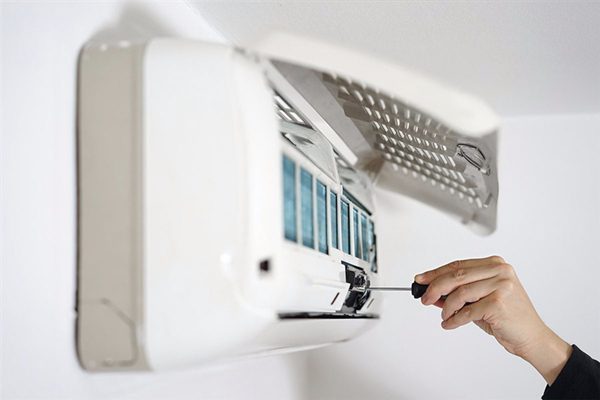
Air conditioners consume a large portion of the average monthly power bill and proper and efficient maintenance can make a significant difference. Your air conditioner loses 5% of its overall efficiency every year it goes without proper professional maintenance. Systems operating at peak efficiency can cut monthly energy costs by up to 25%. Proper maintenance effectively doubles the life span of the average residential and industrial cooling system.

Many of the health risks that are associated with poor air quality can be greatly reduced or eliminated with proper system installation and maintenance. Recovering Lost Efficiency – Fortunately most users can recover lost efficiency through service and maintenance from a trained professional. With regular maintenance a air conditioning unit will keep up to 96 percent of it’s original efficiency. Also a unit working at its full capacity will keep your home more comfortable by controlling humidity and maximizing the cooling available.

A Yearly Inspection of Your Air Conditioning System Should Include the Following 17 Important Items.

  • Refrigerant Charge

    It is extremely important that the coolant or Freon level of an air conditioning system be tested frequently.
    A 10% loss of Freon or coolant will cost the home or business owner 20 percent more in electrical costs and can cause undue wear and tear on your unit. The Air Conditioning Contractors of America or ACCA recommend Testing once a year to maintain the proper Freon levels. If your residential or industrial air conditioning unit needs Freon a properly licensed and trained contractor can usually make a repair and add it on the spot.
    Freon is a chlorofluorocarbon or CFC and will damage the Earths ozone layer if it is released into the atmosphere. The laws on CFC’s do not allow an air conditioning contractor to add Freon to a leaky commercial system if the leak is within 30% of the units capacity. They are required to fix the leak in the system to shut the system down. Violation of this law may cause contractors to loose their license.

  • Electrical Readings

    Test the voltage and amperage to all electrical motors.

  • Air Flow

    Test the air flow across the indoor cooling coil.

  • Lubrication

    Lubricate all the moving parts (unless they are permanently sealed).

  • Thermostat

    Clean and adjust the thermostat.

  • Fan Motors

    Test and oil the fan motors.

  • Air Filters

    Check the air filters.

  • Condenser Air Flow

    Test the air flow across the outdoor condenser coil.

  • Refrigerant Pressures

    Test the operating pressures on refrigerants.

  • Electrical

    Check the electrical wiring and connections.

  • Fan Relay

    Test the indoor fan relay.

  • Contactor

    Test the compressor contactor.

  • Drain Lines

    Inspect the condensate drain.

  • Indoor Coil

    Inspect the indoor coil.

  • Capacitors

    Test the capacitors.

  • Inspect Condenser Coil

    Inspect the outdoor coil.

  • Compressor Operation

    Test the compressor operation.